Buy schwule-boys.eu ?
We are moving the project
schwule-boys.eu .
Are you interested in purchasing the domain
schwule-boys.eu ?
domain@kv-gmbh.de · 0541-91531010
Buy schwule-boys.eu ?
What are orchestral arrangements?
Orchestral arrangements refer to the musical composition and organization of a piece of music for an orchestra. This involves determining which instruments will play which parts, as well as the overall structure and dynamics of the piece. Orchestral arrangements can involve adapting a piece of music originally written for a different ensemble or creating a new arrangement of an existing composition. The goal of orchestral arrangements is to showcase the unique timbres and capabilities of the various instruments in the orchestra while creating a cohesive and expressive musical performance. **
What is an orchestral musician?
An orchestral musician is a professional musician who plays a musical instrument as part of an orchestra. They are highly skilled in their instrument and are able to perform a wide range of musical styles and genres. Orchestral musicians work together with other musicians in the orchestra to create a cohesive and harmonious sound, following the direction of a conductor. They often perform in concert halls, theaters, and other venues, bringing music to audiences around the world. **

Similar search terms for Orchestral
Top-Angebote
Products related to Orchestral:
-
LightInthebox Dress Rainbow 3D Party Gay Pride Rainbow Flag LGBT LGBTQ Round Neck Graphic for Women's Adults' 3D Print for Carnival Pride Parade Pride MonthFabric:Polyester; Gender:Women's; What's in the box:Dress; Types:Dress; Holiday:Carnival; Style:Party; Occasion:Pride Parade,Pride Month; Material:Polyester / Cotton Blend,Large Size Stripes; Age Group:Adults'; Characters:Rainbow Flag,LGBT LGBTQ,Gay...24,99 $*Shipping: 6,76 $Secure redirect to the provider
-
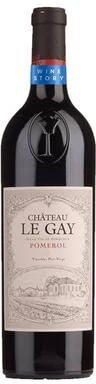
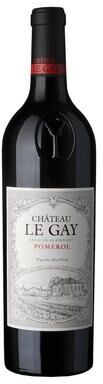
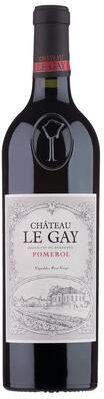
"""Chateau Le Gay""" """Chateau Le Gay (Futures Pre-Sale) 2025 Red Wine - France""""""Blend: 85% Merlot, 15% Cabernet Franc Cassis, exotic red and blue fruits, spring flowers, graphite, and some chocolaty nuances all emerge from the 2025 Château Le Gay, a beautiful Pomerol based on 85% Merlot and 15% Cabernet Franc that will spend..."102,97 $*Shipping: 0,00 $Secure redirect to the provider
-
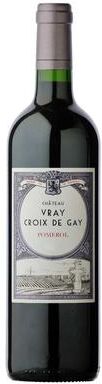
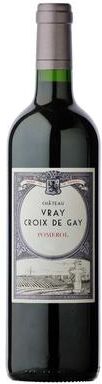
"""Chateau Vray Croix de Gay""" """Chateau Vray Croix de Gay 2016 Red Wine - France""""""Blend: 90% Merlot, 10% Cabernet Franc The 2016 Vray Croix de Gay is just as stunning from bottle as it was from barrel. Sensual, silky and super-refined, Vray Croix de Gay is positively stellar. A rush of inky red and purplish berry fruit, rose..."93,99 $*Shipping: 0,00 $Secure redirect to the provider

-
What are orchestral cyclic large forms?
Orchestral cyclic large forms are musical compositions that consist of multiple movements or sections that are thematically related and interconnected. These forms often feature recurring motifs or themes that unify the different parts of the composition. The cyclic nature of these forms allows for a sense of cohesion and continuity throughout the entire piece. Examples of orchestral cyclic large forms include symphonies, concertos, and tone poems. **
-
How can one compose virtual orchestral music?
To compose virtual orchestral music, one can start by choosing a digital audio workstation (DAW) software that supports orchestral sample libraries. Next, select high-quality orchestral sample libraries that include a variety of instruments such as strings, brass, woodwinds, and percussion. Then, familiarize oneself with the different articulations and techniques available for each instrument to create realistic and expressive performances. Finally, arrange the orchestral parts, paying attention to dynamics, phrasing, and balance to achieve a cohesive and emotive composition. **
-
How can one compose orchestral digital music?
To compose orchestral digital music, one can start by selecting a digital audio workstation (DAW) software that supports orchestral sounds and instruments. Next, they can choose high-quality orchestral sample libraries or virtual instruments to create realistic orchestral sounds. It is important to have a good understanding of orchestration and music theory to effectively arrange the different instruments in the composition. Experimenting with different combinations of instruments, melodies, harmonies, and rhythms can help in creating a dynamic and engaging orchestral piece. **
-
What is the orchestral lineup in classical music?
The orchestral lineup in classical music typically consists of four main sections: strings, woodwinds, brass, and percussion. Each section is made up of various instruments, with the strings section including instruments such as violins, violas, cellos, and double basses; the woodwinds section including instruments like flutes, clarinets, oboes, and bassoons; the brass section including instruments like trumpets, trombones, French horns, and tubas; and the percussion section including instruments like timpani, snare drums, cymbals, and xylophones. Additionally, some orchestras may also include other instruments such as harps, keyboards, and additional percussion instruments. **

What is the orchestral instrumentation in classical music?
Orchestral instrumentation in classical music typically includes four main families of instruments: strings (violins, violas, cellos, double basses), woodwinds (flutes, oboes, clarinets, bassoons), brass (trumpets, French horns, trombones, tuba), and percussion (timpani, snare drum, cymbals). Each family of instruments plays a unique role in creating the rich and diverse sound of the orchestra. The combination of these instruments allows composers to create a wide range of textures and dynamics in their compositions, making orchestral music one of the most versatile and expressive forms of music. **
Can you please give a presentation about orchestral instruments?
Orchestral instruments are divided into four main families: strings, woodwinds, brass, and percussion. String instruments include the violin, viola, cello, and double bass, which produce sound by vibrating strings. Woodwind instruments, such as the flute, clarinet, and oboe, create sound by blowing air through a mouthpiece. Brass instruments like the trumpet, trombone, and French horn produce sound by buzzing lips into a mouthpiece. Percussion instruments, including the timpani, snare drum, and cymbals, produce sound by being struck or shaken. Each family of instruments plays a unique role in an orchestra, coming together to create a harmonious and dynamic musical experience. **
Top-Angebote
Products related to Orchestral:
-
Pride Liner - Gay Male - Glisten CosmeticsDescription. Celebrate Pride with purpose. Our Pride Split Liner Palettes are designed to honour and uplift the LGBTQIA+ community. Whether you're creating bold graphic eyeliner looks or painting your favourite flag on your face for a Pride event, these water-activated liners are made to stand out. Each palette is inspired by a different identity within the community, with colours taken directly from their respective Pride flags.. We’re proud to be donating 50% of all profits from this collection to Not a Phase, supporting their mission to uplift the lives of trans+ adults.. Gay Male Pride Palette. This palette honours gay men with a cool-toned mix of green, turquoise and blue shades. While the rainbow flag, designed by Gilbert Baker in 1978, is a symbol for the entire LGBTQ+ community, newer flag variations have been created to represent gay men more specifically. This palette takes inspiration from these designs shared widely in online queer spaces.. Product Info. For external use only. Keep it at room temperature, avoid placing in direct sunlight. Avoid direct contact with eyes and keep out of reach of children. Discontinue use if signs of irritation or rash appear. If you are allergic, or are under treatment/medication for any skin or hair disorders, you must consult with your healthcare professional before using any of our products. To check for skin sensitivity do a small patch test on inner elbow. Glisten Cosmetics will not be held responsible for any reactions that occur due to the customer not taking due care.. All sales are subject to UK & EU law.. Please read our disclaimer before purchasing.. INGREDIENTS: Calcium Carbonate, Aqua, Glycerin, Polysorbate-20, Acacia Senegal Gum, Phenoxyethanol. May contain (+/-): Titanium Dioxide (CI 77891), Yellow 10 (CI 47005), Yellow 11 (CI 47000), Blue 1 (CI 42090), D&C; Violet 2 EXT (CI 60730), Red 22 (CI 45380), Red 28 (CI 45410). Net Weight: 15g. Once opened use within 18 months15,00 £*Shipping: 4,00 £Secure redirect to the provider
-
LightInthebox Dress Rainbow 3D Party Gay Pride Rainbow Flag LGBT LGBTQ Round Neck Graphic for Women's Adults' 3D Print for Carnival Pride Parade Pride MonthFabric:Polyester; Gender:Women's; What's in the box:Dress; Types:Dress; Holiday:Carnival; Style:Party; Occasion:Pride Parade,Pride Month; Material:Polyester / Cotton Blend,Large Size Stripes; Age Group:Adults'; Characters:Rainbow Flag,LGBT LGBTQ,Gay...24,99 $*Shipping: 6,76 $Secure redirect to the provider
-
What are orchestral arrangements?
Orchestral arrangements refer to the musical composition and organization of a piece of music for an orchestra. This involves determining which instruments will play which parts, as well as the overall structure and dynamics of the piece. Orchestral arrangements can involve adapting a piece of music originally written for a different ensemble or creating a new arrangement of an existing composition. The goal of orchestral arrangements is to showcase the unique timbres and capabilities of the various instruments in the orchestra while creating a cohesive and expressive musical performance. **
-
What is an orchestral musician?
An orchestral musician is a professional musician who plays a musical instrument as part of an orchestra. They are highly skilled in their instrument and are able to perform a wide range of musical styles and genres. Orchestral musicians work together with other musicians in the orchestra to create a cohesive and harmonious sound, following the direction of a conductor. They often perform in concert halls, theaters, and other venues, bringing music to audiences around the world. **
-
What are orchestral cyclic large forms?
Orchestral cyclic large forms are musical compositions that consist of multiple movements or sections that are thematically related and interconnected. These forms often feature recurring motifs or themes that unify the different parts of the composition. The cyclic nature of these forms allows for a sense of cohesion and continuity throughout the entire piece. Examples of orchestral cyclic large forms include symphonies, concertos, and tone poems. **
-
How can one compose virtual orchestral music?
To compose virtual orchestral music, one can start by choosing a digital audio workstation (DAW) software that supports orchestral sample libraries. Next, select high-quality orchestral sample libraries that include a variety of instruments such as strings, brass, woodwinds, and percussion. Then, familiarize oneself with the different articulations and techniques available for each instrument to create realistic and expressive performances. Finally, arrange the orchestral parts, paying attention to dynamics, phrasing, and balance to achieve a cohesive and emotive composition. **
Similar search terms for Orchestral
-
"""Chateau Le Gay""" """Chateau Le Gay (Futures Pre-Sale) 2025 Red Wine - France""""""Blend: 85% Merlot, 15% Cabernet Franc Cassis, exotic red and blue fruits, spring flowers, graphite, and some chocolaty nuances all emerge from the 2025 Château Le Gay, a beautiful Pomerol based on 85% Merlot and 15% Cabernet Franc that will spend..."102,97 $*Shipping: 0,00 $Secure redirect to the provider
-
"""Chateau Vray Croix de Gay""" """Chateau Vray Croix de Gay 2016 Red Wine - France""""""Blend: 90% Merlot, 10% Cabernet Franc The 2016 Vray Croix de Gay is just as stunning from bottle as it was from barrel. Sensual, silky and super-refined, Vray Croix de Gay is positively stellar. A rush of inky red and purplish berry fruit, rose..."93,99 $*Shipping: 0,00 $Secure redirect to the provider
-
"""Chateau Vray Croix de Gay""" """Chateau Vray Croix de Gay 2018 Red Wine - France""""""Blend: 90% Merlot, 10% Cabernet Franc The Vray Croix de Gay is an attractive, open-knit wine, just as it was en primeur. Pliant, silky and sumptuous, the 2018 is simply impeccable in its balance. Inky dark fruit, lavender and a hint of spice are..."92,99 $*Shipping: 0,00 $Secure redirect to the provider
-
"""Michel Gay & Fils""" """Michel Gay & Fils Aloxe-Corton Vieilles Vignes 2019 Red Wine - France""""""Generous, bright cherry and cranberry red fruit nose supported under mineral and earth undertones. Structurally, this has plenty of stuffing and balance, between the acidity, fine-grained tannins, freshness on the palate, and underlying red fruit...."57,99 $*Shipping: 0,00 $Secure redirect to the provider
-
How can one compose orchestral digital music?
To compose orchestral digital music, one can start by selecting a digital audio workstation (DAW) software that supports orchestral sounds and instruments. Next, they can choose high-quality orchestral sample libraries or virtual instruments to create realistic orchestral sounds. It is important to have a good understanding of orchestration and music theory to effectively arrange the different instruments in the composition. Experimenting with different combinations of instruments, melodies, harmonies, and rhythms can help in creating a dynamic and engaging orchestral piece. **
-
What is the orchestral lineup in classical music?
The orchestral lineup in classical music typically consists of four main sections: strings, woodwinds, brass, and percussion. Each section is made up of various instruments, with the strings section including instruments such as violins, violas, cellos, and double basses; the woodwinds section including instruments like flutes, clarinets, oboes, and bassoons; the brass section including instruments like trumpets, trombones, French horns, and tubas; and the percussion section including instruments like timpani, snare drums, cymbals, and xylophones. Additionally, some orchestras may also include other instruments such as harps, keyboards, and additional percussion instruments. **
-
What is the orchestral instrumentation in classical music?
Orchestral instrumentation in classical music typically includes four main families of instruments: strings (violins, violas, cellos, double basses), woodwinds (flutes, oboes, clarinets, bassoons), brass (trumpets, French horns, trombones, tuba), and percussion (timpani, snare drum, cymbals). Each family of instruments plays a unique role in creating the rich and diverse sound of the orchestra. The combination of these instruments allows composers to create a wide range of textures and dynamics in their compositions, making orchestral music one of the most versatile and expressive forms of music. **
-
Can you please give a presentation about orchestral instruments?
Orchestral instruments are divided into four main families: strings, woodwinds, brass, and percussion. String instruments include the violin, viola, cello, and double bass, which produce sound by vibrating strings. Woodwind instruments, such as the flute, clarinet, and oboe, create sound by blowing air through a mouthpiece. Brass instruments like the trumpet, trombone, and French horn produce sound by buzzing lips into a mouthpiece. Percussion instruments, including the timpani, snare drum, and cymbals, produce sound by being struck or shaken. Each family of instruments plays a unique role in an orchestra, coming together to create a harmonious and dynamic musical experience. **
* All prices are inclusive of VAT and, if applicable, plus shipping costs. The offer information is based on the details provided by the respective shop and is updated through automated processes. Real-time updates do not occur, so deviations can occur in individual cases. ** Note: Parts of this content were created by AI.